

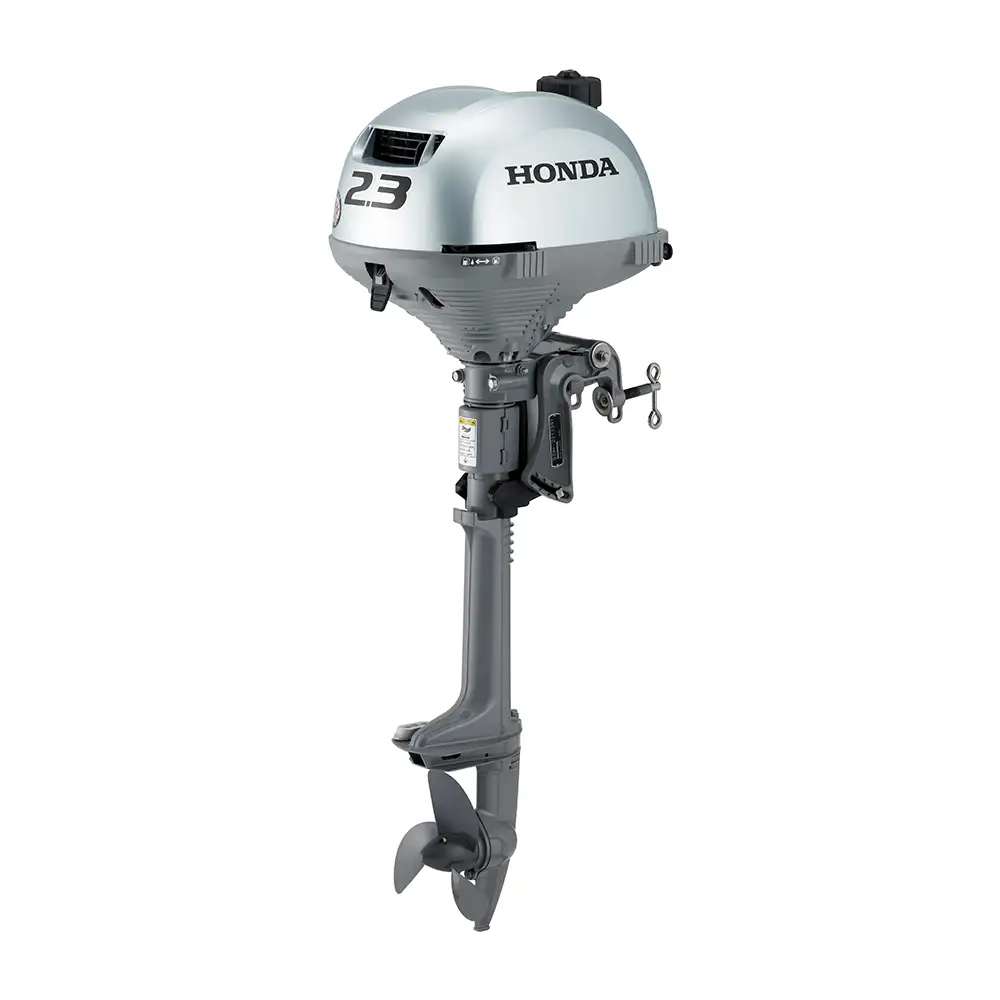
How Boat Engine Price Relates to Honda BF2.3 Performance
Evaluating a boat engine price isn’t just about reading a sticker value—it’s about understanding what that investment delivers over years of harsh marine operation. Small craft owners, inland fishermen, and tender operators frequently struggle with balancing weight, maintenance overhead, and upfront costs when selecting propulsion units. The single-cylinder 4-stroke Honda BF2.3 portable motor redefines value in the lightweight class by eliminating complex water cooling systems and delivering dependable air-cooled torque. Understanding how initial purchase figures match long-term fuel economy, forced-air cooling convenience, and corrosion resistance helps buyers select an engine built for endurance rather than frequent repairs.
Technical Specifications: Honda BF2.3 Outboard Engine
| Specification Parameter | Technical Value | Practical Application & Operational Benefit |
| Engine Model | Honda BF2.3 | Compact single-cylinder lightweight portable marine design |
| Engine Type | 4-Stroke OHV, 1-Cylinder / 2 Valves | Clean 4-stroke combustion without messy oil-gas mixing |
| Displacement | 57.2 cc (3.49 cu. in.) | Efficient displacement tuned for small hull acceleration |
| Bore & Stroke | 45 mm x 36 mm (1.8 x 1.4 in.) | Compact piston stroke optimized for low-end torque |
| Full Throttle RPM Range | 5,000 – 6,000 RPM | Wide powerband for steady cruising across variable tides |
| Rated Output Power | 2.3 HP (1.7 kW) @ 5,500 RPM | Reliable low-range horsepower ideal for tenders and canoes |
| Cooling System | Forced Air Cooling | No water pump impeller to clog in muddy or sandy waters |
| Fuel Delivery & Octane | 1 Carburetor / 86 Octane Unleaded | Runs on standard unleaded petrol without complex sensors |
| Ignition & Starting | Transistorized Pointless / Recoil | Reliable manual pull-start mechanism in all weather |
| Gear Ratio & Clutch | 2.42:1 with Automatic Centrifugal | Propeller idles safely until throttle grip is turned |
| Steering Angle | 360-Degree Full Pivot | Instant full reverse drive simply by spinning the handle |
| Overall Width | 285 mm (11.2 in.) | Ultra-slim profile fitting narrow transom layouts |
| Transom Height | Short (S-Type): 381 mm (15 in.) / Long (L-Type): 508 mm (20 in.) | Dual shaft options matching various boat transom depths |
| Dry Weight | Short Shaft: 13 kg (28.6 lbs) / Long Shaft: 14 kg (30.8 lbs) | Extremely lightweight frame easily carried with one hand |
What Determines a Boat Engine Price in the Portable Class?
Calculating a boat engine price requires analyzing structural build quality, displacement, and internal mechanics alongside initial retail numbers. In the portable marine segment, manufacturers balance total weight against mechanical durability. Lightweight two-stroke engines often appear cheaper initially, yet they demand ongoing oil-gas mixing, run loud, and face increasing environmental restrictions. Conversely, advanced four-stroke engines integrate cleaner combustion, superior fuel efficiency, and quieter operation, justifying their position in the higher initial cost tier.
Component selection heavily influences long-term expense. Traditional marine powerplants rely on raw-water cooling systems containing rubber impellers, water pumps, and narrow cooling jackets. These parts degrade rapidly when exposed to abrasive sand, silt, or salt deposits. Motors built with forced-air cooling systems bypass internal water pump wear entirely. Bypassing delicate water pumps reduces seasonal maintenance expenses, directly improving the long-term value proposition of the unit.
Furthermore, corrosion protection directly affects asset longevity. High-end aluminum alloys, multi-layer coating processes, and sacrificial anodes protect internal components against salt corrosion. Investing in a properly engineered unit prevents premature casing failure, ensuring that your initial equipment expenditure translates into years of uninterrupted marine service.
When evaluating upfront costs against long-term maintenance overhead, consider how different design choices impact your total investment:
-
Initial Outlay Factors: Engine displacement, 4-stroke architecture, specialized centrifugal clutch assemblies, and multi-layer anti-corrosion coatings directly influence the purchase price.
-
Ongoing Operational Expenses: Fuel consumption rates, oil change intervals, carburetor care, and seasonal storage prep define your day-to-day running costs.
-
Avoidable Repair Costs: Selecting an air-cooled engine eliminates frequent water pump impeller replacements, clogged raw-water passages, and overheating repairs caused by silt accumulation.
Why the Honda BF2.3 Delivers Exceptional Operational Efficiency
When comparing total ownership costs, fuel efficiency quickly separates premium marine engines from budget alternatives. The Honda BF2.3 utilizes a compact 57.2 cc single-cylinder overhead valve (OHV) 4-stroke architecture. This refined power plant delivers reliable low-end torque while consuming minimal fuel from its integrated 1.1-liter internal tank. Operators can cruise for extended periods on a single fill, keeping daily running costs extraordinarily low.
Air-cooling offers massive advantages for small-vessel operation. Traditional outboard motors draw water through tiny lower-unit intakes to cool the engine block. Operating in shallow marshes, muddy riverbanks, or weed-choked coastal zones frequently clogs those intakes, causing rapid overheating and costly stator or gasket damage. Because the BF2.3 uses forced-air cooling with a dedicated internal fan, it runs reliably regardless of water clarity or debris levels.
To explore a complete range of marine propulsion systems, small-vessel utility drives, and portable commercial options, visit the Agro Master service catalog. Having access to genuine technical specifications ensures your equipment selection directly aligns with your vessel’s displacement and operational environment.
Key Features Driving Value in the Portable Outboard Motor Market
Selecting a reliable outboard boat engine means assessing how specific functional features streamline daily operation on the water. Portable units must provide simple handling, straightforward maintenance, and immediate control without complicated rigging.
-
Automatic Centrifugal Clutch: Keeps the propeller stationary while idling. Pushing the twist-grip throttle automatically engages the clutch, transferring power directly to the 3-blade propeller without requiring manual gear shifting.
-
Full 360-Degree Swivel Steering: Enables full directional thrust in any direction. Reversing the boat simply requires rotating the tiller handle 180 degrees, eliminating heavy mechanical reverse gears.
-
Ultra-Lightweight Frame: Weighing just 13 kg (28.6 lbs) in its short-shaft configuration, this unit allows single-handed transport from storage to the transom.
-
Integrated Transom Trim Adjustments: Features a multi-stage trim setup with shallow-water drive capability, allowing safe passage through skinny water without propeller grounding.
-
Transistorized Magneto Ignition: Ensures quick, reliable manual recoil starting every time, even during cold morning launches.
Practical Setup and Installation Guidelines for Small Watercraft
Maximizing performance requires mounting your portable engine correctly. Incorrect transom height, poor weight distribution, or improper trim angles reduce speed, increase drag, and waste fuel.
First, match the transom height of your hull to the appropriate shaft length. The anti-cavitation plate located directly above the propeller should sit level with or up to 25 mm below the lowest point of the boat transom. Mounting the engine too high causes the propeller to draw in air (cavitation), causing high RPM slips and loss of thrust. Mounting it too low creates excessive underwater drag, reducing speed and overloading the engine block.
Next, secure the transom mounting clamps evenly. Hand-tighten both clamp screws firmly and secure the safety lanyard or locking bracket to prevent the engine from vibrating loose. Adjust the manual trim angle pin so the engine rests perpendicular to the waterline when under way. A boat that plows its bow into the water needs its trim angle adjusted outward; a boat that porpoises up and down requires its trim pin moved closer to the transom.
Avoiding Common Mistakes When Purchasing a Water Boat Engine
Buying a small water boat engine without reviewing long-term operational needs leads to frustrating performance issues. Operators frequently make preventable mistakes during selection and maintenance that cost time and money.
-
Underpowering the Watercraft: Mounting a 2.3 HP engine on a heavy, wide-beam boat forces the motor to run at wide-open throttle constantly. Choose a small 2.3 HP unit specifically for inflatable tenders, canoes, small dinghies, or flat-bottom dinghy setups.
-
Ignoring Fuel Quality: Storing petrol in the internal tank for months leads to phase separation and clogged carburetor jets. Always use fresh unleaded fuel and drain the carburetor bowl before seasonal storage.
-
Skipping Gearcase Lubrication Checks: Even though air-cooled engines lack water pumps, the lower gearcase still requires fresh marine gear oil. Inspect the lower oil drain plug every 50 hours for water intrusion or metal shavings.
-
Transporting the Motor Incorrectly: Storing a 4-stroke motor on the wrong side lets engine oil drain into the cylinder head and air filter. Always lay the motor down on its designated resting pads or keep it upright on a stand.
Long-Term Maintenance and Corrosion Prevention Strategies
Protecting your marine equipment requires basic maintenance routines after every outing. Operating in salt or brackish water accelerates metal oxidation if equipment is left unwashed.
Always wash down the exterior cowl, lower unit, and propeller assembly with clean fresh water after operating in salt spray. Because forced-air engines don’t circulate raw salt water through an internal block, you don’t need to flush internal cooling passages with a hose attachment. Focus on washing away external salt buildup from the transom clamp, swivel bracket, and throttle linkage.
Periodically inspect the sacrificial zinc anode mounted near the lower unit. Replace the anode once it degrades by 50% to ensure it continues drawing galvanic corrosion away from structural aluminum casings. Periodically lubricating the swivel shaft, clamp screws, and throttle cable with marine-grade grease prevents binding and keeps controls moving smoothly season after season.
FAQs
What factors most directly influence a portable boat engine price?
Engine displacement, 4-stroke engineering, anti-corrosion materials, and specialized features like centrifugal clutches directly dictate manufacturing costs and retail pricing. Higher initial quality translates directly to lower maintenance costs and longer operational lifespans.
Is an air-cooled marine engine better than a water-cooled engine for shallow water?
Yes, air-cooled marine engines excel in shallow, muddy, or weed-choked waters. Because they rely on an internal cooling fan rather than drawing water through small lower-unit intakes, they cannot clog or burn out a water pump impeller.
How fast can a Honda BF2.3 propel a small dinghy or tender?
A Honda BF2.3 typically propels a 8 to 10-foot inflatable tender or small aluminum craft at speeds between 4 to 6 knots. Top speed depends heavily on total payload, hull shape, water currents, and proper transom trim adjustments.
Do I need to mix oil with petrol for the Honda BF2.3 motor?
No, the Honda BF2.3 is a true 4-stroke engine with a dedicated oil sump. It runs on straight unleaded petrol, eliminating the hassle, smoke, and spark plug fouling associated with 2-stroke fuel mixing.
How often should gearcase oil be replaced in a portable outboard motor?
Lower unit gearcase oil should be replaced after the initial 20-hour break-in period, and then every 100 operating hours or once per season. Regular oil changes protect internal gears from friction and friction-induced wear.
Can the Honda BF2.3 be used in saltwater environments?
Yes, the Honda BF2.3 is built with multi-layer corrosion protection, stainless steel hardware, and sacrificial anodes specifically for marine use. Rinsing the exterior with fresh water after saltwater exposure maintains finish quality and operational reliability.



Reviews
There are no reviews yet.